



Every time I land in Europe, I feel like I’m walking into a memory I haven’t lived yet.
Over years of traveling through cities large and small, I started keeping a list of recommendations from locals and fellow explorers. Some places made the list for their beautiful landscapes. Others for a single perfect meal.
This article brings them all together: a curated guide to the hidden gems in Europe that I travelled to and will never forget. From quiet mountain villages to towns that feel suspended in time, these places stayed with me.
Nagyvázsony, Hungary: A Jewel in Off-the-Beaten-Path Europe
Nestled just west of Budapest, Nagyvázsony sits beyond sunflower fields and quiet forest bends. It doesn’t clamour for attention, and that’s precisely its charm.
A rustic Hungarian village with stories buried in its stone walls and a slower pace of life, it whispers rather than shouts in off-the-beaten-path Europe.
What to See in Nagyvázsony
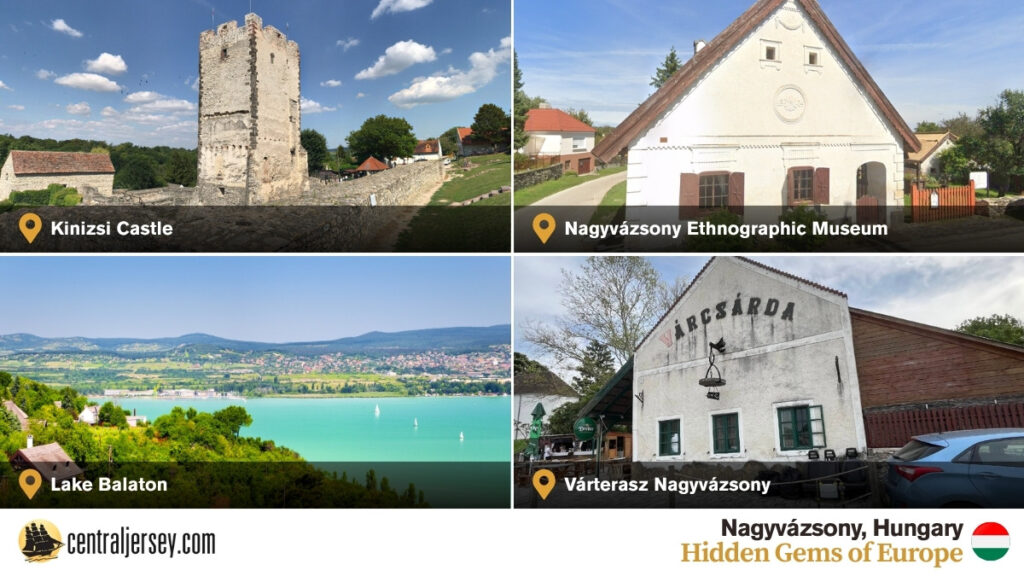
Kinizsi Castle
This 14th‑century fortress is steeped in legend. Its battlements, towers and chapel offer a window into noble life. From the top of the watchtower, the village below looks like a dollhouse, with roaming sheep and quiet footpaths.
Interpretive signs guide you through medieval history, and the sweeping view alone makes the climb worthwhile.
It’s worth mentioning, too, that the Kinizsi Grave Research is currently carrying out a massive archeological excavation to discover the burial site of famous Hungarian general Pál Kinizsi. Uncovering the grave of this man, who is regarded as a hero to the Hungarian people, would be a significant archeological milestone.
Nagyvázsony Ethnographic Museum
A short walk from the castle, this unassuming museum preserves rural traditions. Farming implements, handwoven clothing and authentic interiors felt like my grandmother’s attic, each item holding a hidden memory.
You don’t need long, but you leave with a lasting impression.
Lake Balaton
Less than ten miles away lies Hungary’s beloved Lake Balaton. Locals spread out on beaches, sailboats drift by and cafés sell fröccs.
I biked there at sunset and found the most peaceful view I’ve ever seen over water.
Where to Eat in Nagyvázsony: Várterasz Nagyvázsony
Stepping into this garden bistro felt like entering someone’s backyard. I ordered the Kinizsi burger and was impressed by its balance: perfectly cooked meat, harmoniously seasoned and made with care.
The chef‑owner chatted with guests, sharing his passion. The terrace overlooks the castle, wildflowers bloom nearby and there’s local wine and a separate gelato stand.
It was the kind of meal you want to keep secret, but can’t.
Alberobello, Italy: One of the Most Unique European Destinations
I had seen photos of the trulli and the conical‑roofed whitewashed houses, but seeing them in person was magical. Alberobello pulls you in with the scent of citrus blossoms and sun-warmed stone.
What to See in Alberobello
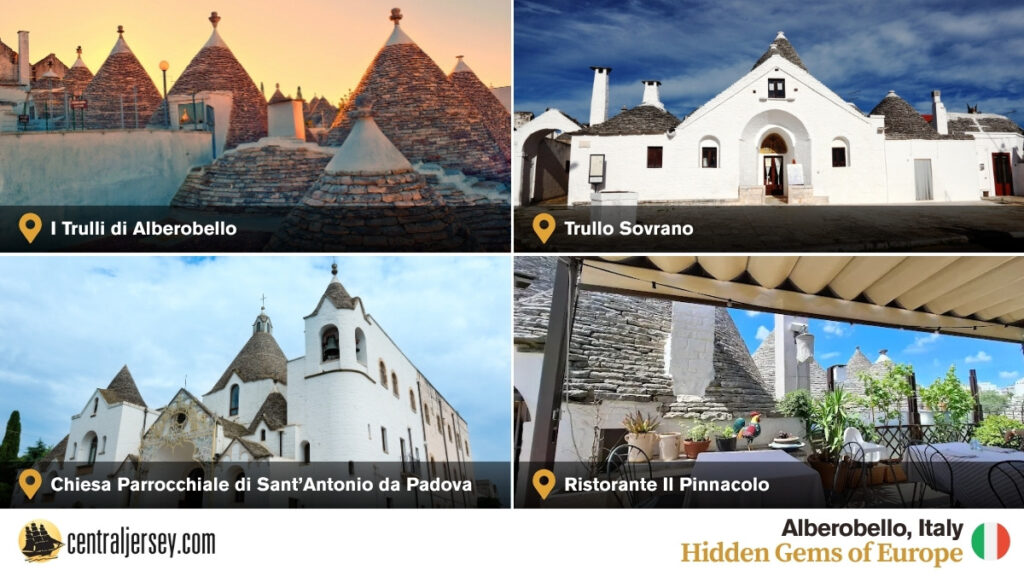
I Trulli di Alberobello, a UNESCO World Heritage Site
These limestone dwellings, built without mortar to avoid taxes, preserve uncanny charm. Chalk symbols decorate rooftops, arched doorways nestle amid stone steps and flowerpots perch delicately everywhere.
Walking there, I felt I had entered another realm.
Trullo Sovrano
The only two‑storey trullo, now a museum, transports you into historical family life. Rooms filled with period furniture, everyday tools and palpable echoes of domestic rituals moved me. It teaches how wealthy families once lived in architectural ingenuity.
Chiesa Parrocchiale di Sant’Antonio da Padova
This church, which is shaped like a trullo, hugs Alberobello’s upper slopes. Inside, soft light filters through modest windows, and the cool stone offers a welcome respite from the heat.
I sat in quiet and felt a calm that settles over you like a blanket.
Where to Eat in Alberobello: Ristorante Il Pinnacolo
Hidden below street level, Il Pinnacolo sits inside a trullo. Antipasti plates arrive like art: vibrant, colourful, fragrant. I ordered orecchiette, perfectly textured and lovingly prepared, as it’s a dish typical of the region (Apulia) and a must-try.
The staff shared the culinary history as we ate a delicious meal amidst ancient stones that felt timeless.
Riquewihr, France: A Fairy Tale Made Real
Tucked in the Vosges foothills, Riquewihr feels like a page from a Brothers Grimm tale.
Half‑timbered houses tilt over cobblestone streets, flower‑boxed shutters and dusk light that turns everything golden. The scent of grapes and wood smoke lingered in the air long after I left.
What to See in Riquewihr
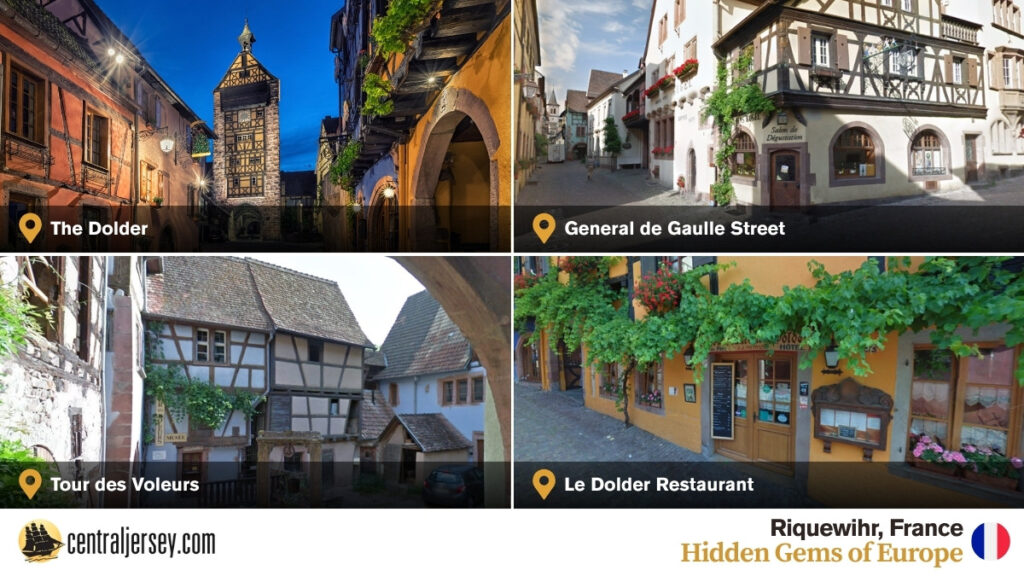
The Dolder
Once a 13th‑century watchtower and gate, now a museum tracing town history through war and wine. From the top, terracotta rooftops spread below like waves, offering views that make you pause to drink it all in.
Stroll Along General de Gaulle Street
A pastel‑shuttered main thoroughfare filled with shops selling artisan cheese, pottery and wine. I sampled peach jam, admired ivy‑clad walls and felt the magic radiating from the street.
Tour des Voleurs
The ‘Thieves’ Tower’ once held prisoners in its tight stone cells. A haunting audio tour brings medieval justice to life, and I found myself whispering out of respect to those who once suffered within those very walls.
Where to Eat in Riquewihr: Le Dolder
Steps from the Dolder Tower, this intimate restaurant is a warm embrace. The menu features Alsatian specialties, with the unique Riquewihrienne—green sauerkraut with cream herbs—stealing the show.
Wine flowed, and I lingered far longer than planned in the upstairs dining room that felt more like a friend’s country parlour.
Castle Combe, England: A Taste of the English Countryside
Even before my arrival, I felt I was stepping into another era. Tiny cottages, a weather‑worn church and a slow river define Castle Combe in Wiltshire.
Often considered England’s prettiest village, it truly felt suspended in time.
What to See in Castle Combe
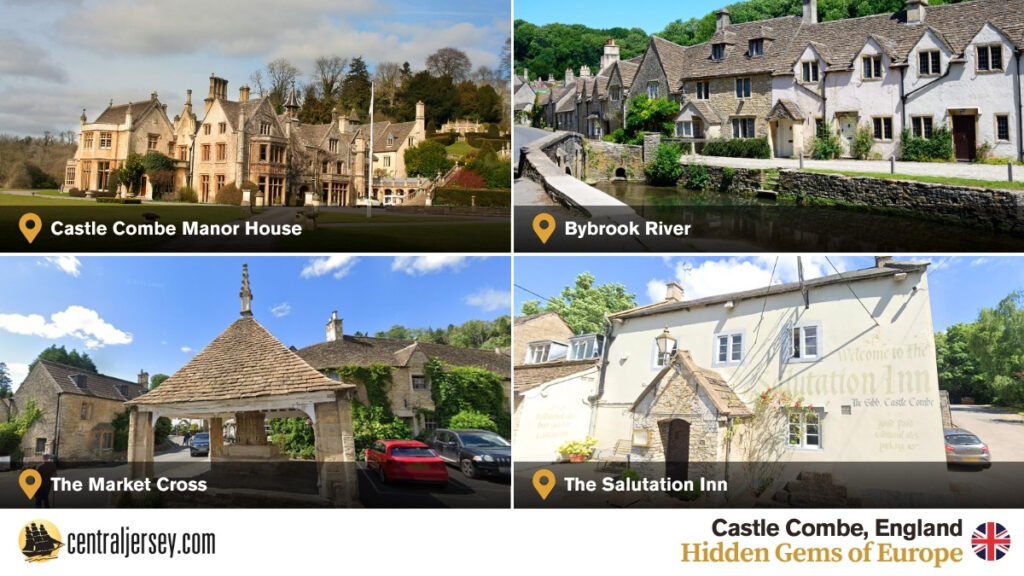
Castle Combe Manor House
A 14th‑century mansion turned luxury hotel, its lawns and stone walls fill the air with calm. Even a stroll with a cup of tea transports you. The staff kindly showed us public rooms featuring wood beams and fireplaces that beckoned serenity.
Walk Along the Bybrook River
This silver ribbon winds through town. Early morning mist and sunlight filtering through branches made it a moment of perfect stillness, with just ducks for company.
The Market Cross
This covered stone cross from the 14th century still pulses quietly at the village’s heart. I lingered, listening to distant church bells and chatting softly with locals. Here, history isn’t preserved; it’s alive.
Where to Eat in Castle Combe: The Salutation Inn
A cozy pub just a few minutes’ walk from the center. I arrived early, fire alight, roasted root vegetables scenting the air.
I ordered roast beef and lamb with Yorkshire pudding, along with a side of roasted cauliflower with cheese. Sticky toffee pudding followed, so memorable I’m still thinking about it today.
Duszniki‑Zdrój, Poland: Wellness in the Mountains
Not originally on my route, this spa town came as a whispered suggestion from a train companion.
Nestled in the Sudetes Mountains, it feels like a forest‑cooled retreat. The air smelled of pine and wet rock, and just breathing felt restorative.
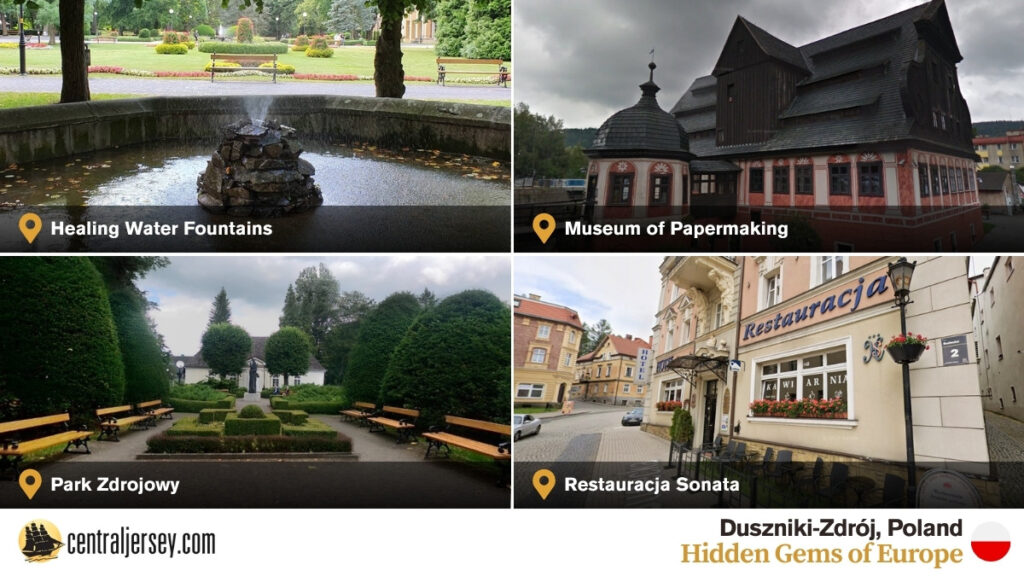
What to See in Duszniki‑Zdrój
Healing Water Fountains
Sprinkled throughout town, ornate fountains offer mineral‑rich waters. Locals fill bottles and swear by their properties.
I tried the Pieniawa Spring, which is gently carbonated and refreshing. The ritual of cupping hands and tasting history is unforgettable.
Museum of Papermaking
Housed in a 17th‑century mill, this museum is a sensory delight. I made paper by hand, pressed pulp and dried it. Exhibits trace printing traditions, while the scent of damp cellulose and old ink filled the air. It gave me a deep appreciation for handmade crafts.
Park Zdrojowy
This spa park curves through town with manicured beds, forest trails and classical music pavilions. I strolled in the morning with a pastry, watching birds dip in ponds.
It’s a reminder that taking a break can be as powerful as movement.
Where to Eat in Duszniki‑Zdrój: Restauracja Sonata
After hiking and fountain‑hopping, Sonata felt like a reward. I began with delicate meat dumplings, followed by slow‑roasted pork knuckle and tangy cabbage. The trout, fresh from local streams, was flaky and perfect.
The chef shared recipes inherited from her grandmother. The staff’s English was fluent, and their pride in the food was evident. I left nourished in every sense.
Monschau, Germany: A Hidden Look into Medieval History
Arriving on a rainy afternoon felt fitting. The drizzle made the slate rooftops glossy, and the cobbles gleamed.
The Eifel Valley town is a medieval treasure of half‑timbered houses leaning close and windows glow softly in mist.
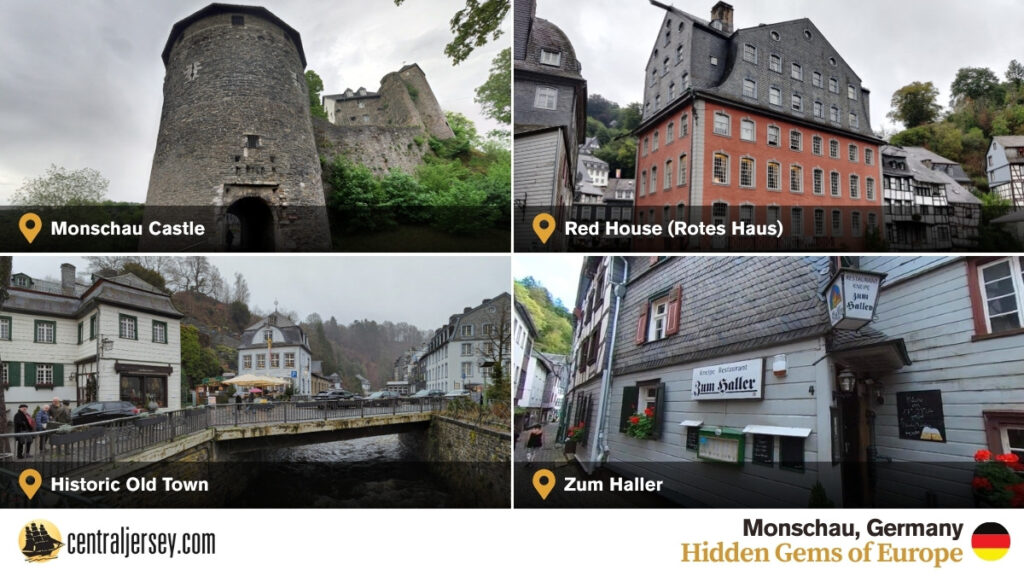
What to See in Monschau
Monschau Castle
This 13th‑century fortress crowns the town; however, its interior hosts concerts, and walking the exterior grounds was incredible. Early‑morning fog curled around turrets while below, the Rur River wound through forested hills.
Red House (Rotes Haus)
A baroque townhouse-turned-museum, it captures the 18th-century bourgeois lifestyle. Carved staircases and original fittings made me gasp. It’s intimate, quiet and perfect for a reflective rainy day.
Historic Old Town
Winding streets lead past artisans, bookstores and cafés serving thick hot chocolate. Each corner revealed yet another storybook scene. I let the alleys guide me; no map was needed.
Where to Eat in Monschau: Zum Haller
This wood‑stove‑lit tavern pulsed with warmth and laughter. I started with currywurst and a glass of their dark Zwickelbier. The apfelstrudel that followed was unforgettable: flaky, tart and rich.
Later, I joined a communal table with Portuguese guests, prompted by the friendly owners. Such generosity is rare and incredible to come by!
Tallinn, Estonia: A Masterpiece in Preservation
Tallinn surprised me. I expected cobbles and seafood, but found a living medieval mosaic that was quiet, intact and electric with authenticity. Its Old Town is one of Europe’s most preserved ensembles, and its atmosphere is quietly powerful.
What to See in Tallinn
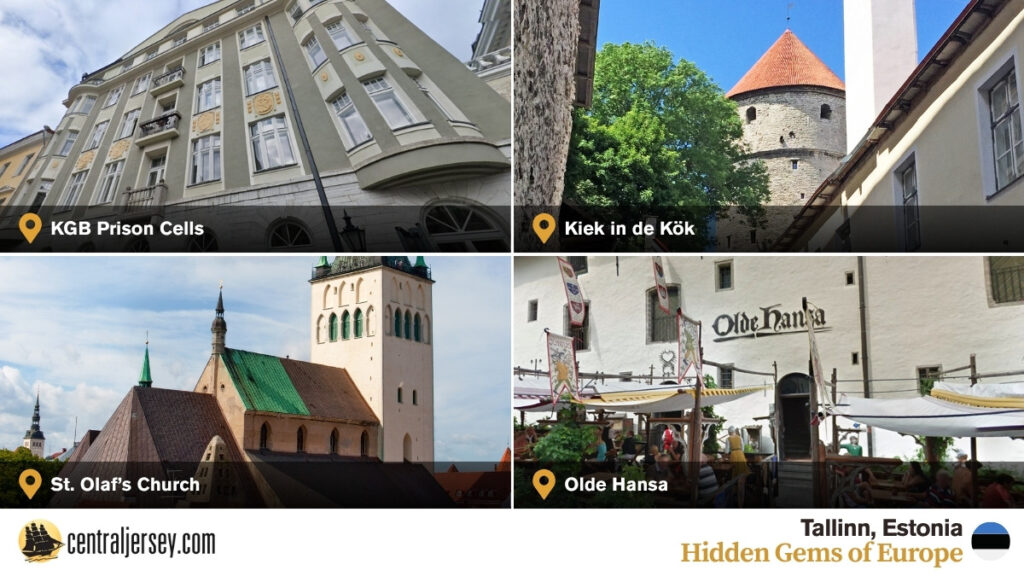
KGB Prison Cells
Housed in a simple building off Pagari Street, these cold, unadorned cells amount to a sobering experience. Sparse displays and low light heighten the emotional impact. Walking through them feels like standing inside history.
Kiek in de Kök
This medieval cannon tower, whose name suggests a peek ‘into the kitchen,’ houses a museum about Tallinn’s defences. I joined a tunnel tour beneath the city, claustrophobic but fascinating, and climbed to panoramic views of Old Town and the Gulf of Finland.
St. Olaf’s Church
Once the world’s tallest building in the 1500s, this Gothic church still dominates the skyline. Climbing its spiral stairs left me breathless in more ways than one. At the top, the city unfolded in a red‑roofed mosaic, church bells announcing time across the harbour.
Where to Eat in Tallinn: Olde Hansa
Dining here means crossing into the 15th century. Housed in a period merchant’s home, the servers dress as medieval servants and the clay dishes look old‑world.
I started with herb‑and‑juniper cheese over fresh bread, then a vegetarian medley of lentils, beans, pickled vegetables and creamy mushroom sauce. Non‑alcoholic drinks included berry elixirs and herbal infusions.
Our server shared stories about the dishes with genuine joy, and I left feeling I had dined on history.
Skagen, Denmark: The Perfect Coastal Getaway
Sitting at Denmark’s northern tip, Skagen is where the Baltic and North Seas meet in a dance of foam and light. A photograph—yellow house, red roof, windswept dunes—led me there.
The light is silvery and soft, and I felt an overwhelming sense of peace settling in right to the bone.
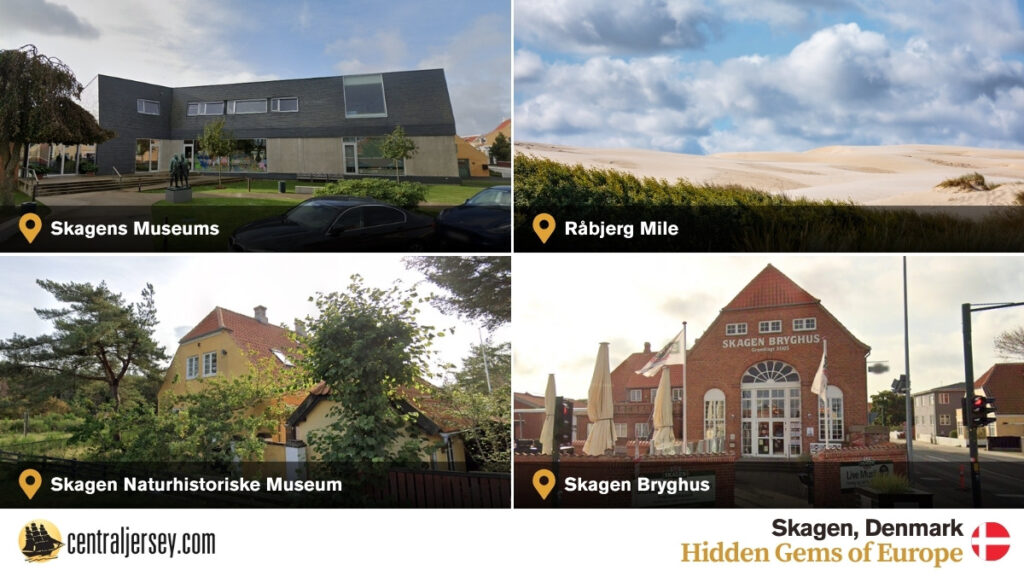
What to See in Skagen
Skagens Museums
Here, you’ll see how the Skagen painters captured the town’s extraordinary light in sunlit domestic scenes and stormy seascapes. The museum’s compact galleries felt personal, and I lingered over every brushstroke of P.S. Krøyer, Anna and Michael Ancher.
Råbjerg Mile
Denmark’s largest migrating sand dune feels like another planet. I walked barefoot across wind‑sculpted ridges before turning to see both coasts stretching beyond the horizon.
Skagen Naturhistoriske Museum
This small museum dives into the ecology of shifting dunes and meeting seas. With displays featuring local flora and fauna and a focus on conservation, I felt a deeper connection to the environment surrounding me.
Where to Eat in Skagen: Skagen Bryghus
I sat under string lights at a communal table and was offered a taste of their amber ale by neighbours. With free live music adding a sense of warmth, I ordered the house burger, juicy and simply seasoned.
The beer flight revealed local flavours, and the atmosphere—relaxed, inclusive and vibrant—made it one of Denmark’s best nights.
Plovdiv, Bulgaria: Beauty Tucked Away in Eastern Europe
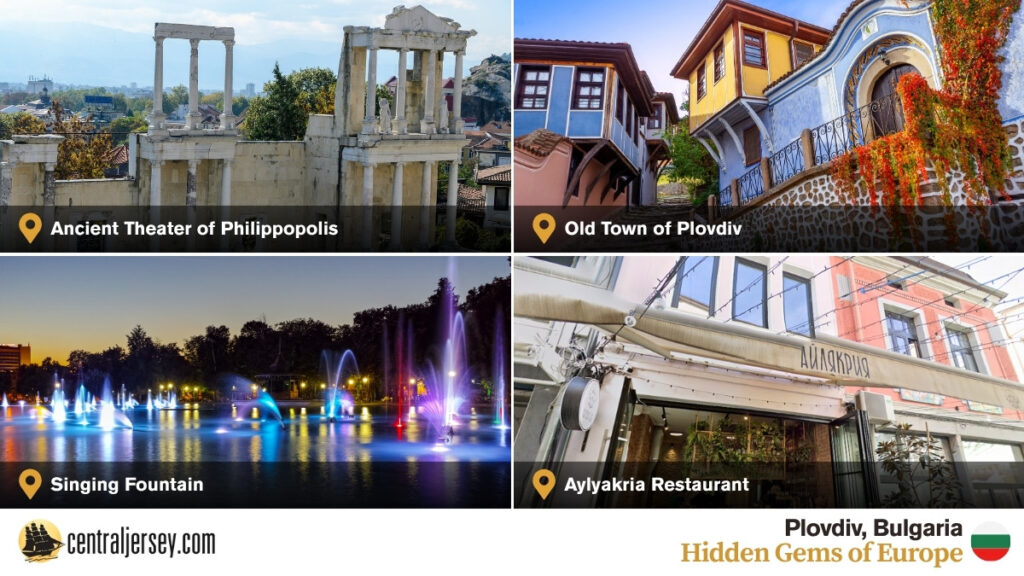
On a spontaneous detour from Sofia, I discovered Plovdiv, a city that layers millennia of Thracian, Roman, Ottoman and Revival-era stories. Unlike preserved ruins, Plovdiv felt alive and breathing.
What to See in Plovdiv
Ancient Theater of Philippopolis
This 1st‑century Roman theater is remarkably intact and still hosts performances. I caught a sound check at sunset and sat in marble seats, where the acoustics were so clear that even whispers seemingly echoed through the centuries.
Old Town of Plovdiv
Narrow cobbled lanes lead past colourful Revival houses, artisan shops and gallery‑filled mansions. The Balabanov House, with carved wooden interiors and rotating exhibitions, felt like stepping into a painting.
Singing Fountain
At Tsar Simeon Garden, the fountain flows by day and shimmers in light and sound at night. I stayed until the final notes and felt a quiet joy, water cooling my sun‑warmed feet.
Where to Eat in Plovdiv: Aylyakria Restaurant
From my arrival, I was enveloped by bold aromas of citrus and garden herbs. I began with a mango‑puree mocktail, then sampled vegetable starters and slow‑cooked meats. Plus, Guest‑recommended off‑menu items made the meal feel tailor‑made.
The outdoor seating with misting fans created a summer oasis, and every bite made me feel at home.
Mostar, Bosnia & Herzegovina: Where Land and Sea Meet
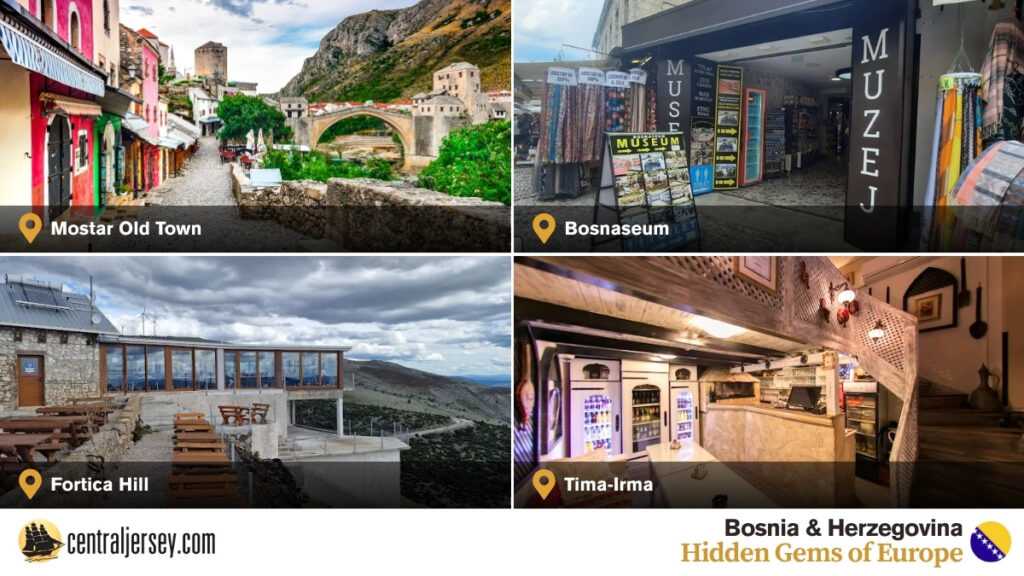
Mostar had a reputation for reverence, and it lived up to it. Perched over the emerald Neretva River, it blends East and West through its Ottoman‑style houses and that famed Stari Most bridge.
Arriving at sunset, the scene took my breath away.
What to See in Mostar
Mostar Old Town
I wandered stone alleys past mosques, copperware vendors and spice stalls, pausing to talk with shopkeepers. At riverside cafés, I watched bridge divers, ritual and daring united.
Bosnaseum
This small museum shares intimate stories from the Bosnian War, using photographs, letters and recovered objects. One installation of personal items salvaged from bombed homes stayed with me long after.
Fortica Hill
A hike to this overlook reveals sweeping views: rooftops, river curves and mosque domes. I took time to sit among rocks at dusk, the sky shifting from amber to violet. Even the zip line looked tempting.
Where to Eat in Mostar: Tima‑Irma
This kitchen is a combination of warmth and soul. A mixed meat platter arrived beautifully grilled: cevapi, smoky chicken and tender lamb.
Irma herself paced the steam, ensuring every dish sang with care. I’d bottled that energy if I could.
Tromsø, Norway: A Natural Wonder in Europe
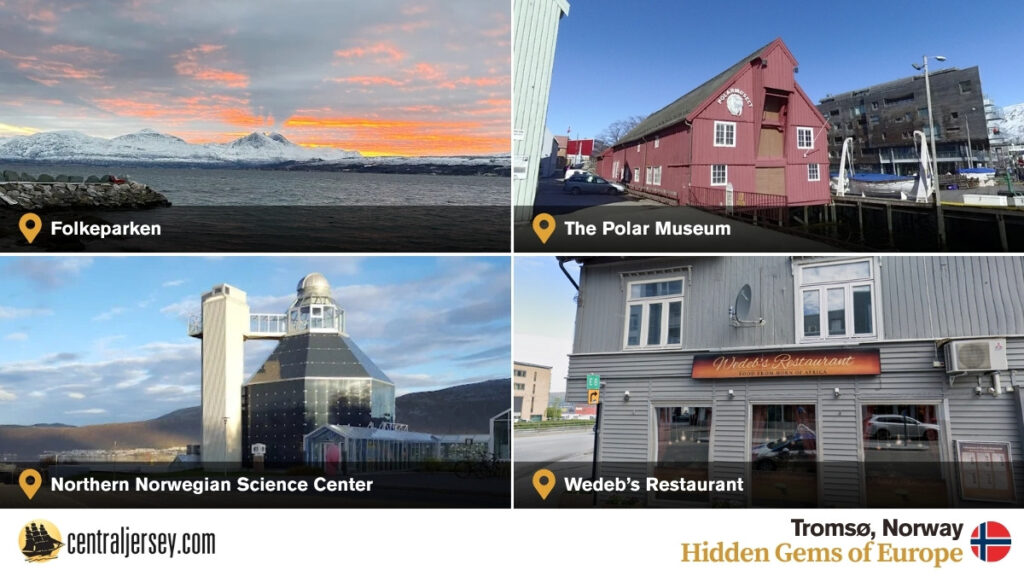
Above the Arctic Circle, Tromsø offers breathtaking fjords, midnight sun and aurora borealis. In early spring, snow still dusted hills, but daylight stretched long. I came seeking stillness and found it along with something deeper.
What to See in Tromsø
Folkeparken
An open‑air museum of Sámi and fisherman cabins set on forested slopes. Pine and sea‑salt air mixed as I wandered among timber homes. A costumed guide shared family stories, and it felt like a memory had come to life.
The Polar Museum
Housed in a customs warehouse, it tracks Arctic explorers, sealers and hunters. Displays are human‑centred and sobering; I spent hours immersed in stories of hardship and resilience, finding the landscape around me even more poignant.
Northern Norwegian Science Center
I visited the planetarium and attended lessons on climate change, Arctic biodiversity and Auroras. Reclining beneath a projected sky of dancing lights, I felt humbled and inspired.
Where to Eat in Tromsø: Wedeb’s Restaurant
I discovered my first Eritrean feast in this cozy spot; injera, sambusa and Shiro were shared by hand, creating a communal rhythm that felt generous.
A friendly server explained spices, techniques and traditions. House‑made hibiscus infusion was an unexpected delight. The vibe, flavors and generosity were a welcome gift on my travels.
Albarracín, Spain: A Must in Any Europe Travel Guide
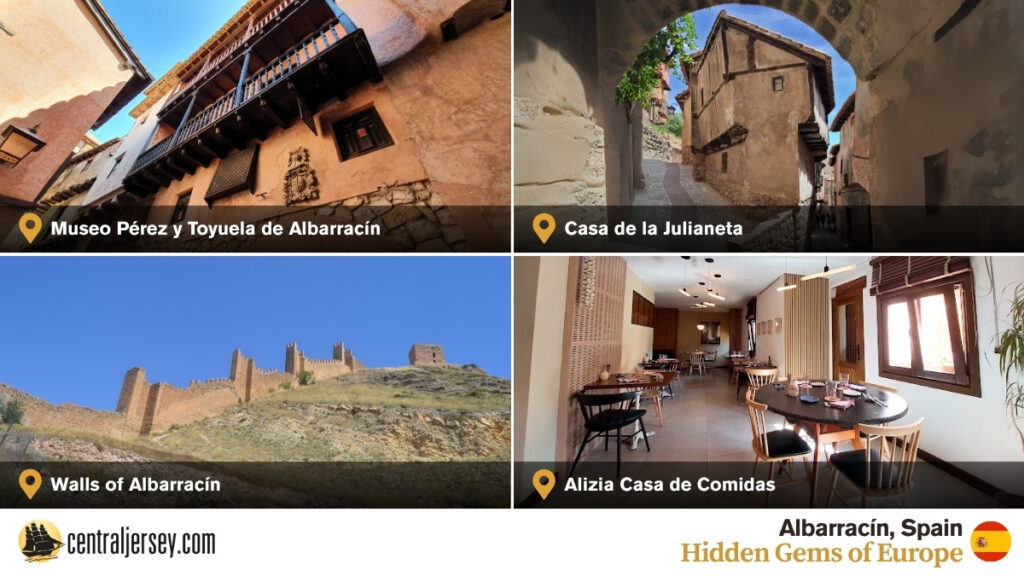
The road to Albarracín winds through red canyons and arid hills, leading to a pink-hued village tucked in the Aragon mountains. With wild herbs in the air and golden light on stone walls, it felt like stepping into a medieval dream that was untouched, soulful and quietly magical.
What to See in Albarracín
Museo Pérez y Toyuela de Albarracín
This small, private museum, situated within a restored home, showcases rural life from the 18th to the 20th centuries. The guide, who also runs the event, shared personal stories that brought each artifact to life.
A collection of handwritten family recipes moved me the most; it reminded me of history and the everyday lives of people.
Casa de la Julianeta
The most photographed house in town, with slanted angles and leaning walls, looks like it might collapse, but it hasn’t in centuries. It almost leans into the alley like it’s eavesdropping. Quirky and unforgettable, just like Albarracín itself!
Walls of Albarracín
Climbing the steep path to the ancient walls is a workout, but the views are breathtaking. I went at sunset and found myself alone with the wind and the stone in complete tranquility.
Where to Eat in Albarracín: Alizia Casa de Comidas
I found Alizia by chance, and it became one of the most memorable meals of my trip. With cozy stone walls and soft lighting, it struck a perfect balance of rustic and refined.
The croquettes and salmon tartare were excellent, but the creamy octopus and potato dish stole the show. A glass of orange wine paired beautifully, and dessert (olive and coffee ice cream) was unexpectedly perfect.
Every detail felt like a quiet act of love.
Sintra, Portugal: A Place No Visitor Should Overlook
Sintra isn’t a place you stumble upon. It draws you in.
Nestled in forested hills near Lisbon, it feels like a dream made real. I first saw it from a train window, and it lingered in my mind. When I returned, it was everything: lush, mysterious, fragrant and unforgettable.’
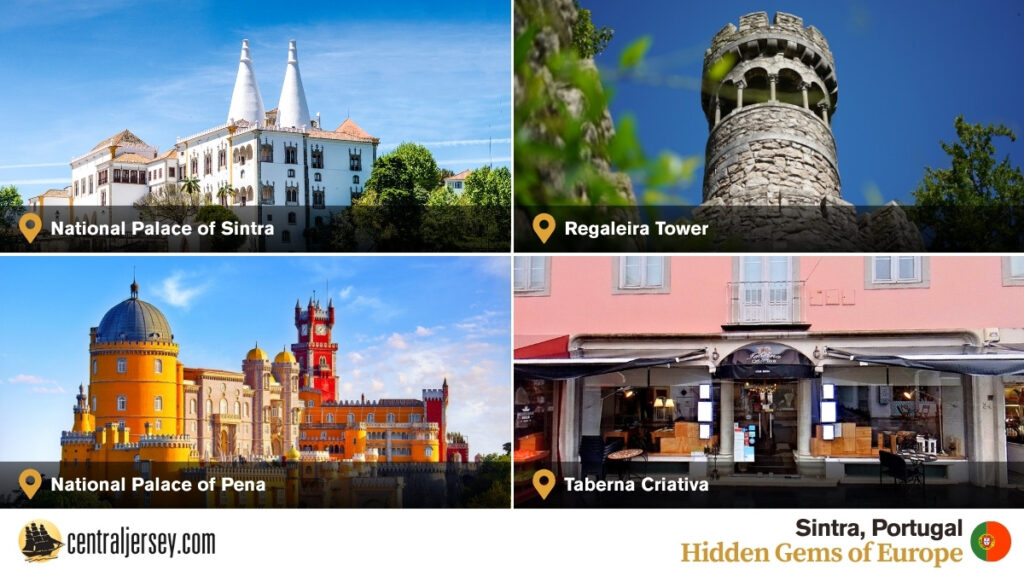
What to See in Sintra
National Palace of Sintra
Its twin chimneys mark the skyline, but the real magic is inside. Moorish tiles, painted ceilings and intricate details fill every room. It’s opulent yet quiet, full of stories and stillness.
Regaleira Tower
Descending the Initiation Well felt like slipping into another world. The spiral staircase, cool air and mysterious grounds made it an unforgettable experience. Its secret tunnels and mossy corners seem to whisper of forgotten lore.
National Palace of Pena
Bright, whimsical and perched in the clouds, this palace is a pure fairytale. Inside, velvet and carved wood mirror its fanciful exterior. The surrounding park offers peaceful paths and ocean views.
Where to Eat in Sintra: Taberna Criativa
This spot, recommended by a local, delivered soulful Portuguese food with a twist. The octopus was tender, the steak with smoked banana was bold and the dessert reimagined pastel de nata put together in the best way. Candlelit and personal, it became my go-to.
Frequently Asked Questions About Discovering Hidden Gems in Europe
After returning home, I got asked the same questions over and over, usually at dinner or in long message threads with fellow travel lovers.
How do I find hidden gems in Europe?
By staying curious! I follow tips from locals, chatty guesthouse owners, old guidebooks and even hand-painted signs. Some of my most valuable discoveries came from taking spontaneous detours.
Do you need a car?
Not always. Trains and buses work in many places, but a car helps in rural areas. Still, some of my favorite adventures came from walking!
Are these places budget-friendly?
Very! I stayed in family-run guesthouses, ate well for cheap and walked almost everywhere. Many attractions are free or low-cost.
What should you pack?
Good walking shoes, layers, a rain jacket, a daypack, a reusable water bottle, offline maps and a swimsuit. Europe loves to surprise you.
Head Out to These Unique European Destinations
These hidden gems in Europe reignited my passion for travel. It’s not always about landmarks.
Sometimes, it’s a quiet river path in Castle Combe, a folk melody by a Polish spring or a dumpling served with a smile. These places are unpolished, unexpected and completely unforgettable.
I would make this trip again, and I am already planning my next one.
If you’re wondering where to go next, skip the crowds. Europe is full of whispers that aren’t on the first guidebook page but are waiting for you. Let this be your sign to discover its hidden gems, too.