


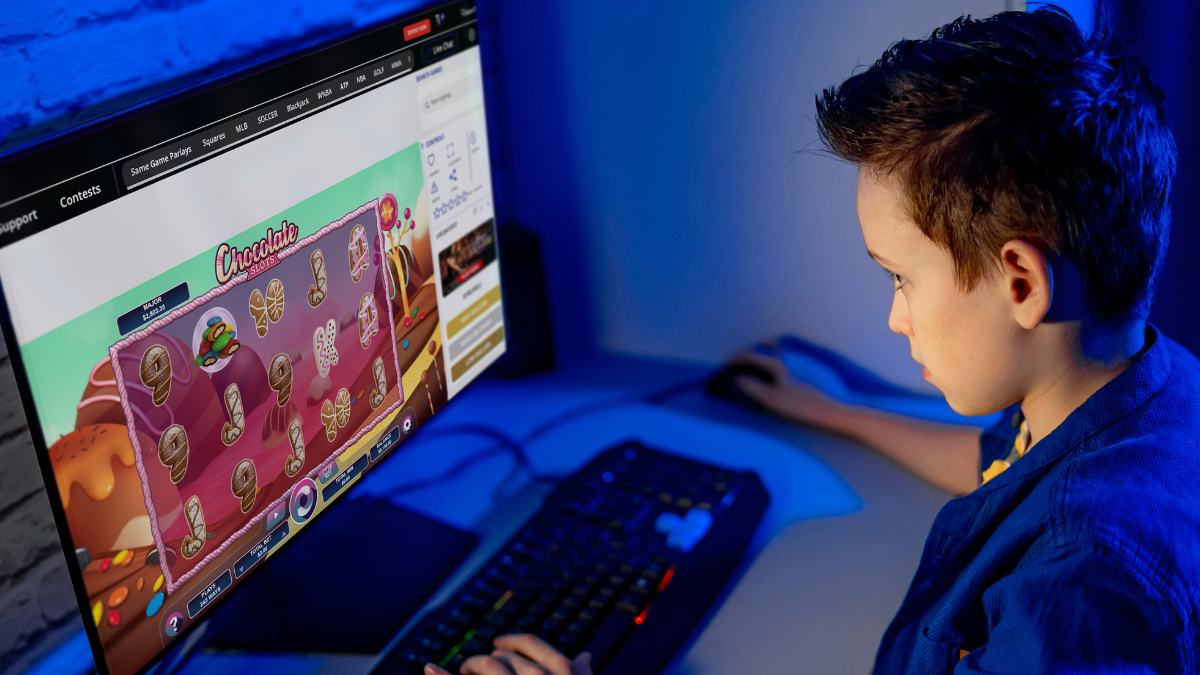
Gambling has become more common than ever. According to a 2023 NCAA survey, 58% of young adults aged 18 to 22 had placed a wager at least once that year. While many of those bets were tied to sports competition, online poker, slot-style apps, casino simulators, and popular video games are exposing younger audiences to gambling mechanics at alarming rates.
Since gambling is often considered a “hidden addiction,” the warning signs aren’t always obvious, especially among kids. However, the consequences can be both financial and psychological.
So what should families watch for? How can they act before casual gaming spirals into something much harder to stop? This article explains all the warning signs your child might be gambling and what steps you can take to protect them.
How Children Get Exposed to Gambling Activities
The legal gambling age in most countries is 18 or 21, depending on the laws. Since the legal age restricts access to casinos and sportsbooks, you may think children cannot engage with such activities, but that’s far from the truth.
Research shows that one person’s gambling habits can disrupt the lives of up to six people close to them, including partners, kids, or coworkers. This means that when children see their parents engaging in gambling activities, such as buying lottery tickets, betting on sports, or even playing casual poker games, they can quickly develop a fascination with them. Observing these habits at home normalizes gambling for kids, making it seem like a fun or harmless activity rather than a risky behavior.
For kids, gambling exposure often starts well before any money is involved. It might be a splashy TV ad during a football match, a giant billboard promising “risk-free bets,” or a celebrity casually promoting a betting app on Instagram. These ads may not be for minors, but the messaging still reaches them, especially when an influencer or popular team promotes them.
Social media only deepens that exposure. Teenagers scrolling through TikTok or YouTube might come across streamers showing off their wins, affiliate links to betting sites, or memes that treat gambling like a joke. Despite existing rules and guidelines, platforms like YouTube and Instagram often allow this kind of content.
Beyond this, bypassing age restrictions isn’t as hard as it should be. Some use a parent’s name or payment information. Others ask older friends to help them set up accounts or use unregulated crypto platforms.
Many offshore gambling sites don’t enforce ID checks at all, making it surprisingly easy for a teenager to sign up and start placing bets. While all of this is happening online, video games now replicate the same chance-based mechanics that define gambling.
Are Video Games Setting Kids Up to Gamble?
While video games don’t always involve real money, many now include features that closely resemble gambling psychology. Games like Clash Royale, Coin Master, and Overwatch reward players through random spins, card packs, or prize chests, all of which mimic the suspense and jackpot-winning appeal of slot machines or roulette wheels.
Even games marketed to younger children, such as Roblox or Candy Crush, allow in-game purchases through tokens and loot boxes. Loot boxes are in-game containers that offer randomized rewards. Players spend either real-world money or virtual currency to unlock them, hoping to receive something that improves their experience, such as a lethal weapon, a rare character, or an exclusive outfit.
On the downside, players don’t know what’s inside these mystery boxes until they’ve paid. If players are unhappy with the received item, they may feel tempted to try repeatedly, mirroring the same “chasing losses” behavior seen in traditional gambling.
This issue goes beyond loot boxes. Some games include mini-games or features that are very similar to gambling. For example, GTA Online includes a virtual casino where players can spin wheels, place virtual bets, and win chips that unlock vehicles or perks.
While marketed as entertainment, these features teach kids how gambling works and may provide a dopamine hit when they unlock a desirable item. Over time, they get addicted to gambling behavior, showing signs like irritability, secrecy, and compulsive spending that may be hard to ignore.
7 Signs Your Child May Already Be Gambling
If you notice your child acting differently, the following could be the early signs of gambling behavior, online or otherwise:
1. Sudden Mood Swings
If your child is experiencing extreme highs and lows that seem tied to screen time, it could be more than just a game. Gambling activities like spinning a wheel or opening loot boxes can trigger dopamine spikes when outcomes are positive. They may also get frustrated or irritable when the results don’t go their way. These emotional swings may seem random, but if they’re happening right after online activity, it could be a red flag.
Similarly, changes in sleep or eating patterns can also be early warning signs. Research shows that gambling can disrupt sleep cycles. So if your child is staying up late to play, waking up tired, or becoming increasingly restless, it might be a sign. The same goes for appetite. Some children may lose interest in meals or start overeating as a coping mechanism.
2. Unexplained Expenses
Have you noticed money disappearing from your wallet or mysterious charges on your credit card statement? Maybe your child constantly asks for top-ups or suddenly has less pocket money than usual without any clear explanation.
These financial situations could be signs that they’re spending on loot boxes and in-game purchases. If your child can’t explain their spending habits or gets angry when asked, it’s worth looking a little closer.
3. Secretive Behavior
Secrecy isn’t unusual in teens. However, if your child suddenly becomes defensive about their phone or computer, frequently clears browser history, or hides what they’re doing online, it might be worth paying attention. Kids experimenting with gambling apps or websites often try to hide it, either out of guilt or because they don’t fully understand the risks themselves. If you notice this shift, it’s a good time to start a calm, honest conversation.
4. Knowledge of Odds and Betting Terms
If your child casually uses words like “odds,” “parlay,” “spread,” or “jackpot,” that’s worth noticing, especially if you haven’t used those terms at home. Children and teens who gamble or watch gambling-related content often pick up this language quickly. It can come from betting apps, social media, YouTube streamers, or even fantasy sports platforms. Familiarity with these terms doesn’t always mean they’re placing bets. However, they might be more exposed to the gambling world than expected.
5. Increased Interest in Sports
Most kids follow their favorite players, wear team jerseys, or love watching the big games during tournaments. But a sudden, intense interest in sports can sometimes be linked to gambling. Bettors, young and old alike, often study games they wager on. If you notice your child tracking teams obsessively, watching matches they never used to care about, or checking scores late at night, they might be placing bets online or through their bookies.
6. Academic Decline
Research shows that over-engagement with gambling activities creates a cycle of academic underachievement. Gambling can consume a significant amount of time and mental energy, leading to reduced focus on studying, completing assignments, and attending classes. Over time, this distraction often results in lower grades and poor engagement. If you notice bad grades or receive teacher complaints about a lack of focus, it might indicate a gambling problem.
7. Social Withdrawal
Social withdrawal can happen to anyone, especially during tough times or when they feel overwhelmed. However, if your kid is constantly isolating themselves, it might be a sign that something is bothering them on a deeper level.
Kids involved in gambling may pull away socially for a few reasons:
- Hiding their behavior: They might feel ashamed or scared that someone will discover their gambling activities.
- Emotional stress: Losing money or feeling trapped in gambling can cause anxiety, sadness, or guilt, making them avoid people.
- Focus on gambling: If they’re spending more time on gambling websites, apps, or games, they might lose interest in spending time with others.
For example, a child might stop joining family dinners or responding to their friends’ texts because all their energy is focused on gambling or covering it up.
What Should Parents Do If They Suspect Gambling?
If you notice a child showing signs of gambling, consider one of the following approaches to address the issue effectively:
- When you see a gambling ad on TV or something similar, start an open conversation. Ask them what they think about it, if they’ve ever seen anything like it in a game, or if any of their friends talk about betting or loot boxes. Stay curious but avoid being confrontational or accusatory, which may push them further away. Later, explain how gambling works and its negative consequences, including addiction, financial loss, and mental health impacts. Use age-appropriate language to help them understand the risks behind what might seem like “just a game.”
- Keep an eye on app store purchases, digital wallet transactions, and game spending. Look out for small charges that can add up, like coins or loot box purchases.
- Some games may look innocent but include slot-style spins, mystery rewards, or casino-like features. Once identified, use parental controls to restrict access to risky platforms and turn off in-app purchase options. You should also disable random ad pop-ups.
- If possible, provide supervised internet access. Ask them to use the device while sitting in the lounge, so you can notice their activities without snooping.
- If your kid loves gaming, encourage other activities that are just as exciting, like playing sports, trying out cool hobbies like painting or crafting, or getting into board games or puzzles that don’t involve gambling elements.
- Watch out for mood swings, sleep issues, or sudden disinterest in school or hobbies. Ask them questions like “I’ve noticed you’ve been a bit down lately. Is there something on your mind?”
While trying out anything, be patient with your kids. Otherwise, they might shut you out or feel attacked, which may make things worse. If your child is still struggling, don’t hesitate to reach out to a school counselor, therapist, or child psychologist.
Conclusion
With online betting apps and iGaming platforms, gambling has become more accessible to kids than ever. However, the earlier you act, the easier it is to pull them out. So watch closely, ask questions, guide them, and get help when things get out of control.